setembro 11, 2012
HAECKEL RULES!


agosto 28, 2012
março 09, 2012
junho 19, 2011
seara em foice alheia
o Senhor Escher gostava de jardins criptogamicos!
``Below the mill is a garden of bizarre, giant plants. This is actually a magnified view of a cluster of moss and lichen which Escher drew in ink as a study in 1942.``

http://en.wikipedia.org/wiki/Waterfall_(M._C._Escher)
Waterfall is a lithography print by the Dutch artist M. C. Escher which was first printed in October, 1961. It shows an apparent paradox where water from the base of a waterfall appears to run uphill before reaching the top of the waterfall.
While most two-dimensional artists use relative proportions to create an illusion of depth, Escher here and elsewhere uses conflicting proportions to create the visual paradox. Waterfall has the structure of a Penrose triangle, an impossible object designed independently by Roger Penrose and Oscar Reutersvärd.
The image depicts a village or small city with an elevated aqueduct and waterwheel as the main feature. The aqueduct begins at the waterwheel and flows behind it. The walls of the aqueduct step downward, suggesting that it slopes downhill. The aqueduct turns sharply three times, first to the left, then straight forward and finally to the left again. The viewer looks down at the scene diagonally, which means that from the viewer's perspective the aqueduct appears to be slanted upward. The viewer is also looking across the scene diagonally from the lower right, which means that from the viewer's perspective the two left-hand turns are directly in line with each other, while the waterwheel, the forward turn and the end of the aqueduct are all in line. The second left-hand turn is supported by pillars from the first, while the other two corners are supported by a tower of pillars that begins at the waterwheel. The water falls off the edge of the aqueduct and over the waterwheel in an infinite cycle; in his notes on the picture, Escher points out that some water must be periodically added to this apparent perpetual motion machine to compensate for evaporation. The two support towers continue above the aqueduct and are topped by two compound polyhedra. The one on the left is a compound of three cubes. The one on the right is a stellation of a rhombic dodecahedron (or a compound of three non-regular octahedra).
``Below the mill is a garden of bizarre, giant plants. This is actually a magnified view of a cluster of moss and lichen which Escher drew in ink as a study in 1942.``

http://en.wikipedia.org/wiki/Waterfall_(M._C._Escher)
Waterfall is a lithography print by the Dutch artist M. C. Escher which was first printed in October, 1961. It shows an apparent paradox where water from the base of a waterfall appears to run uphill before reaching the top of the waterfall.
While most two-dimensional artists use relative proportions to create an illusion of depth, Escher here and elsewhere uses conflicting proportions to create the visual paradox. Waterfall has the structure of a Penrose triangle, an impossible object designed independently by Roger Penrose and Oscar Reutersvärd.
The image depicts a village or small city with an elevated aqueduct and waterwheel as the main feature. The aqueduct begins at the waterwheel and flows behind it. The walls of the aqueduct step downward, suggesting that it slopes downhill. The aqueduct turns sharply three times, first to the left, then straight forward and finally to the left again. The viewer looks down at the scene diagonally, which means that from the viewer's perspective the aqueduct appears to be slanted upward. The viewer is also looking across the scene diagonally from the lower right, which means that from the viewer's perspective the two left-hand turns are directly in line with each other, while the waterwheel, the forward turn and the end of the aqueduct are all in line. The second left-hand turn is supported by pillars from the first, while the other two corners are supported by a tower of pillars that begins at the waterwheel. The water falls off the edge of the aqueduct and over the waterwheel in an infinite cycle; in his notes on the picture, Escher points out that some water must be periodically added to this apparent perpetual motion machine to compensate for evaporation. The two support towers continue above the aqueduct and are topped by two compound polyhedra. The one on the left is a compound of three cubes. The one on the right is a stellation of a rhombic dodecahedron (or a compound of three non-regular octahedra).
maio 16, 2011
the dots on the wall
This is the Diga del Cingino dam in Italy -
But look closer... See spots on the dam wall?


They are European Ibex and they like to eat the moss and lichen
& lick the salt off the dam wall.

But look closer... See spots on the dam wall?


They are European Ibex and they like to eat the moss and lichen
& lick the salt off the dam wall.

fevereiro 15, 2011

outubro 19, 2010


julho 28, 2010
zoos de musgos
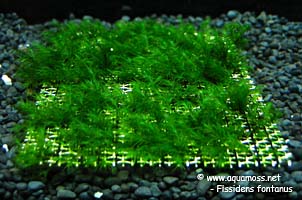
por aqui tornam-se cada vez mais raros devido à poluição aquática...mas os japoneses cultivam-nos em aquário com a maior das naturalidades
junho 03, 2010
moss-free/filme de terror

Este panfleto foi gentilmente (digitalizado) e cedido pela mais recente brióloga anglo-lusa do condado e anda a ser distribuído pelas caixas de correio de Inglaterra como um serviço à sociedade combalida por estes terríveis seres que são os musgos!
Engraçada a parte de apresentar os fundamentos ecológicos das razões que levam a aparecer os musgos e por tal, não deixa de ser didático.
Dizem que é a nova obsessão inglesa, os relvados moss-free!
março 18, 2010
março 08, 2010
para que vos quero
Gosto do documentário que aparece aí em baixo. Porque embora se assista a uma espécie de liquenicídio à escala local, sabe bem ver noutras pessoas o reconhecimento da importância dos líquenes. E porque é difícil evitar sorrir perante los hombres y sus colaboradores quadrúpedos (...)
Uma das espécies em destaque é Pseudevernia furfuracea, que se distingue bem pelo contraste entre o tom cinzento da página superior e o negro acastanhado da inferior. Merece todo o nosso respeito, não só por ter privado com as entranhas dos faraós do antigo Egipto, mas também por desempenhar um papel activo na luta contra o cheiro sempre fétido da humanidade. Uma sobrevivente, portanto.
Uma das espécies em destaque é Pseudevernia furfuracea, que se distingue bem pelo contraste entre o tom cinzento da página superior e o negro acastanhado da inferior. Merece todo o nosso respeito, não só por ter privado com as entranhas dos faraós do antigo Egipto, mas também por desempenhar um papel activo na luta contra o cheiro sempre fétido da humanidade. Uma sobrevivente, portanto.
fevereiro 22, 2010
yahc...paredes vivas e crostas biológicas
parece que é um problema das coisas velhas e das mais velhas de todas que pelos vistos está cheia destas "coisas" de que este blog fala...
caramba - que isto está a fazer-me lembrar a conversa acerca do projecto dos castelos que 3 cryptoladies tiveram numa muralha...

caramba - que isto está a fazer-me lembrar a conversa acerca do projecto dos castelos que 3 cryptoladies tiveram numa muralha...
fevereiro 09, 2010
mossadiction?
é bom ver outras formas de gostar de musgos.
talvez quando me reformar (ou ficar desempregada...) daqui a 2 anos.
talvez quando me reformar (ou ficar desempregada...) daqui a 2 anos.
em mês de "óscares"!
algo com bom gosto - acerca dos musgos...
categoria: melhor vídeo ciência-drama (a música ajuda e a ideia que no fim de tudo apenas as baratas e os musgos sobreviverão.)
apesar de tudo o que é simples resulta sempre melhor!
categoria: melhor vídeo ciência-drama (a música ajuda e a ideia que no fim de tudo apenas as baratas e os musgos sobreviverão.)
apesar de tudo o que é simples resulta sempre melhor!
janeiro 04, 2010
joalharia e murros finos
Da última verz que conferi este tipo de anéis tinham uma função violenta, mas não há nada que o musgo não amoleça (inclusivé os espíritos mais vilões....)
"How fashiionable is that?"
http://www.inhabitat.com/2008/09/17/growing-jewelry-icelandic-moss-rings/

"How fashiionable is that?"
http://www.inhabitat.com/2008/09/17/growing-jewelry-icelandic-moss-rings/

dezembro 30, 2009
Melhor que pele!


O musgo torna qualquer pessoa ou pescoço perfeitamente editoriais!
(a partir de Ecouterre)
Better Than Fur: Tara Baoth Mooney’s Living Moss Collar Will Grow on You
by Abigail Doan, 12/18/09
Photo by Sean Michael/Epoch
If you’d rather draw stares than jeers, skip the fur stoles this winter in favor of this textured moss collar by Tara Baoth Mooney, a recent graduate of the London College of Fashion’s Centre for Sustainable Fashion. (Bonus: It’ll match your living plant purse.) It’s no surprise that Mooney reaped accolades for her botanical faux fur at this past month’s Fashioning the Future Awards. This spirited young designer looked to her Irish roots—quite literally—for ways people can fashionably interface with the natural realm, as well as consider the impact their activities have on the environment.
GREEN FASHION
Fashioning the Future is an international student competition hosted each year by industry leaders to identify the most promising and innovative designers of the next generation. For 2009, the event revolved around the theme of water, specifically the fashion industry’s reliance on this precious resource.
setembro 19, 2009
o nome diz tudo

Gosto de nomes científicos que nos ajudam a identificar as espécies, em vez daqueles que só nos informam sobre amizades ou reverências. É o caso da Peltula patellata. O nome não podia ser mais verdadeiro: parece mesmo uma patela.
setembro 14, 2009
media appeal
um artigo (digital) consegue reunir expressões polémicas capazes de pôr criptoladies em pé-de-guerra-e-ciúme-por-não-se-terem-lembrado-destas-expressões-primeiro:
(...)Lichen are the termites of the plant world, but also used to be the source of the colour purple! Mosses, on the other hand, are a garden's friend, holding soil together and keeping in moisture.
let the war begin!
(cá para mim a jornalista gosta mais de musgos..)
(...)Lichen are the termites of the plant world, but also used to be the source of the colour purple! Mosses, on the other hand, are a garden's friend, holding soil together and keeping in moisture.
let the war begin!
(cá para mim a jornalista gosta mais de musgos..)
beauty contest
se os líquenes "é mais bolos" os musgos é "mais figurino".
valorizam qualquer peça de vestuário, mais um papel ecológico sem o qual seriam negados na nossa sociedade de consumo e saldos!

valorizam qualquer peça de vestuário, mais um papel ecológico sem o qual seriam negados na nossa sociedade de consumo e saldos!

Subscrever:
Mensagens (Atom)